
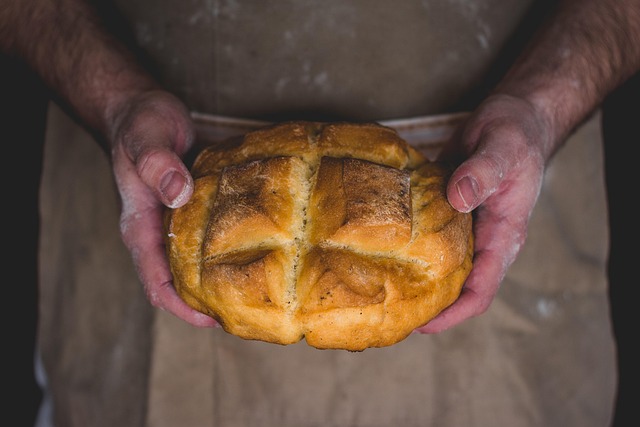
The Covid pandemic saw many people renew their interest in homemaking skills to occupy their time. One surprising activity that took over social media was baking. A person who never scrambled an egg or measured a glass of milk now found an interest in cupcakes, pies, cookies, and bread. Yet, it was the bread craze that took over social media, with recipes for white, wheat, and sourdough bread flooding the internet. A bread-making community formed, and people wanted more.
The smell of bread baking evokes memories of home life. It provides a sense of security and stability. A slice can fill you up and satisfy your hunger. However, hunger and cravings for sustenance will return.
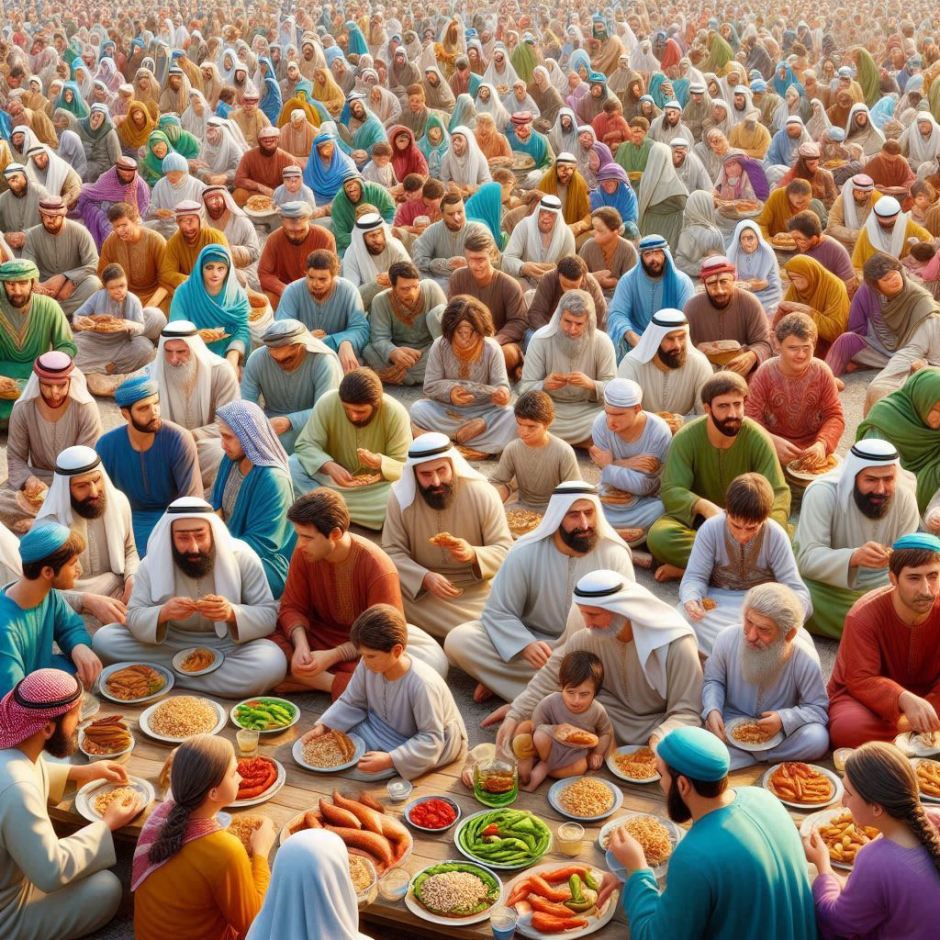
You would assume that is what motivated the people of Israel after Jesus fed the 5000. The initial consumption of bread met their needs and eliminated the tasks of creating dough and baking new loaves. It was an instant gift. Free and painless.
It must have appeared too good to be true to the crowds that followed Jesus. It is unknown whether any of the people in the crowd experienced the same miracle both times Jesus fed the thousands. We can assume that most did because they continued to follow him for the wrong reasons. John 6:26 says, “Jesus answered them and said, ‘Truly, truly, I say to you, you seek Me, not because you saw signs, but because you ate of the loaves and were filled.”
Knowing their hearts, Jesus begins to question their motives for seeking him out. Continuing in John 6, verses 32-36, it says, “Jesus then said to them, ‘Truly, truly, I say to you, Moses has not given you the bread from heaven, but My Father gives you the true bread from heaven. For the bread of God is that which comes down from heaven and gives life to the world.’ Then they said to Him, ‘Lord, always give us this bread.’ Jesus said to them, ‘I am the bread of life. He who comes to Me will never hunger, and he who believes in Me will never thirst.’”
Jesus proved to the crowd that He would meet their physical needs, but what mattered most to Him was their spiritual blindness, which deterred them from seeing their Savior, who stood before them.
In his book, The Truth About Grace, Pastor John MacArthur says, “He even explained why the true bread of life is superior to Moses’ manna: ‘Your father ate the manna in the wilderness and are dead. This is the bread which comes down from heaven, that one may eat of it and not die.’ So, this bread could give them spiritual life instead of mere physical nourishment, and the bread was Christ Himself. He was clearly explaining a profound spiritual reality, not describing literal food to be ingested by mouth.”
Jesus wanted Israel to understand that their eternal salvation was more important than satisfying their hunger. He knew what hunger felt like because He fasted for forty days and nights. However, it was nothing compared to what Jesus offered—eternal life.
Ask yourself, how often do you seek what is temporal and forego what is eternal? Do you spend more time praying for a new car, or a new home, than for your spiritual growth? Philippians 4:19 says, “And my God will fulfill all your needs according to His riches in glory in Christ Jesus.” Thus, worry not about your daily bread, and instead focus on the Messiah, who paid the price for our sin, and the penalty of death for you. Frankly, there is nothing of more value than that, not even a slice of bread.
 A Tree Firmly Planted